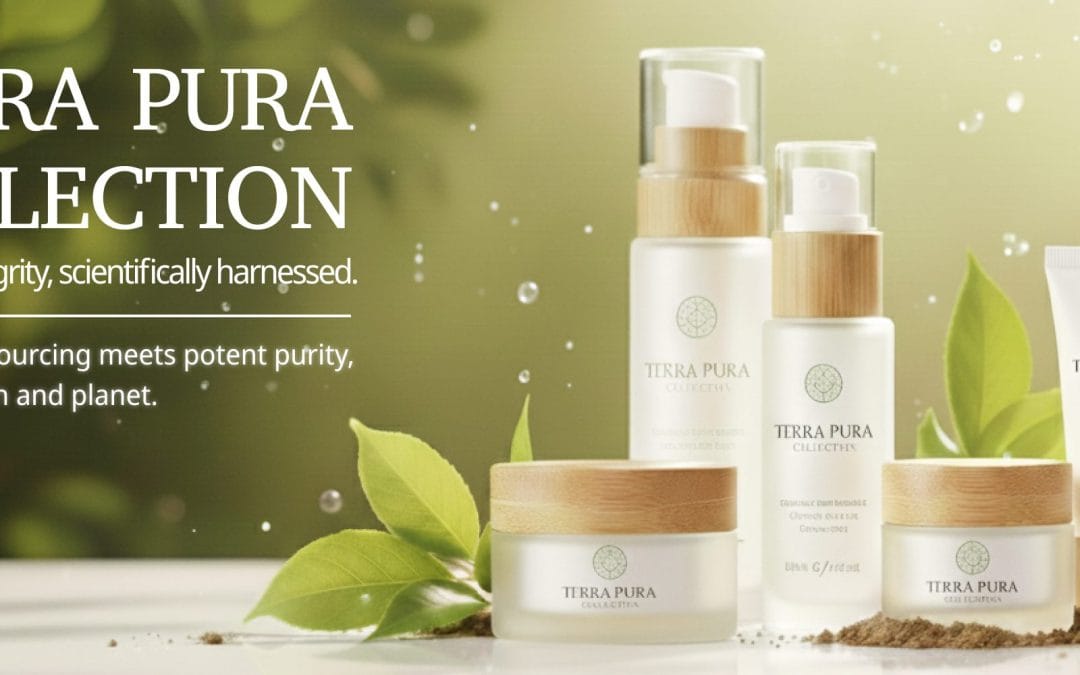
A first skincare launch does not need to begin with a warehouse full of inventory. For an emerging brand, the more useful question is how much product is needed to learn whether a specific audience will buy, use and reorder it. A 500-unit minimum order quantity can make that first learning cycle more manageable when the formula and packaging are suitable.
Galanovix offers MOQ from 500 units for eligible serum and cream projects. This is a starting point for project discussion, not a promise that every formula, package or product type can be manufactured at that quantity. Final feasibility and pricing require a confirmed brief.
What does a 500 MOQ actually mean?
MOQ means minimum order quantity. Ask whether it applies per formula, per SKU, per size or per packaging design. A request for 500 total units split across five different products is different from one run of 500 identical units. Packaging suppliers may also have their own minimums.
Before approving a quotation, confirm the finished unit count, filling volume, formula version, decoration method and whether unused packaging will remain after production. These details determine the real commitment.
Start with one customer and one useful product
A small batch is most informative when the product has a clear role. Instead of launching an entire routine immediately, define one audience, one cosmetic benefit and one usage occasion. For example, a lightweight daily hydration serum for customers who dislike a sticky finish is easier to evaluate than a serum advertised as suitable for everyone and every concern.
Use social conversations, competitor reviews and direct customer interviews to identify that role. Treat online interest as a hypothesis to test, not proof of future sales.
Build a launch plan around the batch
- Write the brief: target market, texture, desired benefits, pack size, quantity and target unit budget.
- Confirm feasibility: agree which formula and packaging options can support the proposed run.
- Approve samples: review the product in the intended packaging and document any changes.
- Plan allocation: decide how many units are intended for sale, demonstration, sampling and agreed quality retention.
- Define a review date: measure sell-through, customer feedback and reorder interest before expanding.
Reserve budget for packaging, artwork, testing, market preparation, shipping and launch activity. A lower inventory commitment does not remove those workstreams.
What should you measure after launch?
Separate product feedback from campaign performance. A low conversion rate might reflect unclear positioning or an unsuitable sales channel. Complaints about texture or dispensing point to a different problem. Record the selling price, channel, sample source and feedback date so that comparisons remain meaningful.
Choose decision rules before launch: what evidence would justify a reorder, a texture revision or a new pack size? The goal is to make the next manufacturing decision with better evidence than the first.
Questions to ask before ordering
Does 500 MOQ guarantee the lowest unit price?
No. Smaller runs can reduce inventory exposure while carrying higher unit costs. Compare the total cash commitment and the opportunity to learn, not only the factory unit price.
Can I order 500 units of any product?
Eligibility depends on the product, formula and packaging. Galanovix currently presents the 500-unit starting point for serum and cream projects; ask for confirmation for other formats.
Develop with data. Validate with a small batch.
Our approach combines market insight and cosmetic OEM/ODM development with a practical route to a smaller first run. Explore the product collection, then build your product inquiry with your target market, quantity and budget.
Explore the manufacturing guide series
- Cosmetic OEM vs ODM vs Private Label: Which Model Fits Your Brand?
- Skincare Manufacturing Costs: How to Request a Comparable Quote
- From Social Listening to a Skincare Product Brief: A Data-Led Workflow
- Launch One Hero Skincare Product Before Building a Full Routine
- Skincare Packaging MOQ: Why the Bottle Can Change Your Launch Plan
- Private Label Serum Development: A Brief That Goes Beyond Ingredients
- Private Label Face Cream: Choosing Texture, Packaging and Positioning
- Private Label Skincare for Aesthetic Clinics: Plan a Focused First Range
- From Skincare Samples to Reorders: A Practical Approval Checklist