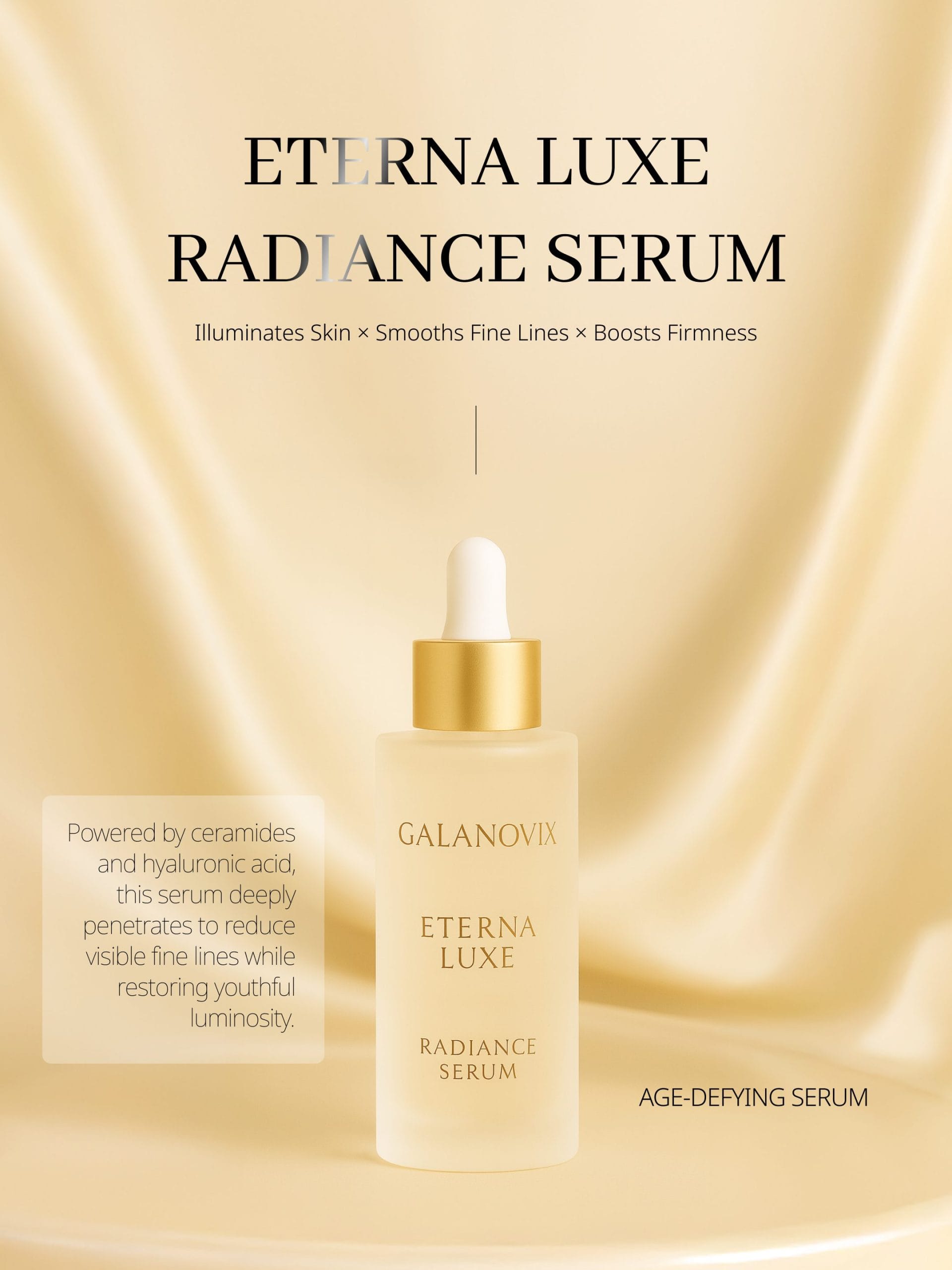
A serum brief often starts as an ingredient wish list. A stronger brief starts with the person who will use the product, the experience they expect and the role it should play in their routine. Ingredients are part of the formulation discussion, but they do not replace a clear product concept.
For private-label or ODM development, describe the finished experience before asking the manufacturer to propose a formula direction.
Define one primary cosmetic benefit
Choose the main reason a customer would select the serum, such as daily hydration or the appearance of a more radiant complexion. Additional benefits should support that position without making the message difficult to understand.
Keep proposed marketing language separate from established evidence. An ingredient story does not automatically substantiate every claim about the finished product. Agree what support is needed before finalizing packaging and sales copy.
Describe the sensory profile
Use specific language about viscosity, spread, absorption time, tack, residue and finish. Reference products can help communicate expectations, but clarify which characteristics you like and which you want to change.
Consider when the serum is used and what is layered around it. A product intended for a morning routine may need a different evaluation scenario from one positioned as an evening ritual. Test the sample in the intended context rather than only on the back of a hand during a meeting.
Specify the delivery format
A dropper, pump and other dispensing formats create different experiences. Discuss the intended dose, formula-package compatibility, closure and portability. Include the target fill size and whether a carton is required.
For a small first batch, ask which available packaging options fit the proposed quantity. Custom decoration may carry a different minimum from the formula itself.
Use a sample review sheet
- Record the sample code, date and agreed formula direction.
- Note the amount applied and the routine used for the evaluation.
- Describe immediate feel and the finish after a consistent interval.
- Review dispensing, leakage concerns and ease of use with the proposed package.
- List required changes separately from optional preferences.
Consolidate feedback before requesting revisions. Contradictory instructions from several reviewers can slow development and make it difficult to judge whether the next sample is closer to the brief.
Ask what happens after sample approval
Sample approval is one stage of development. Confirm the agreed assessments, specifications, documentation, artwork review and production release process for your project and market. Ask how future formula or material changes will be communicated.
There is no single development timeline or unit price that applies to every serum. The specification, packaging and required work determine the plan.
Start a serum project with Galanovix
Our approach combines market insight with product development. MOQ starts from 500 units for eligible serum projects, subject to confirmed formula and packaging. Explore the product collection and send a brief with your target audience, benefits, sensory preferences, quantity and budget.
Related guide: 500 MOQ skincare manufacturing: plan your first launch.