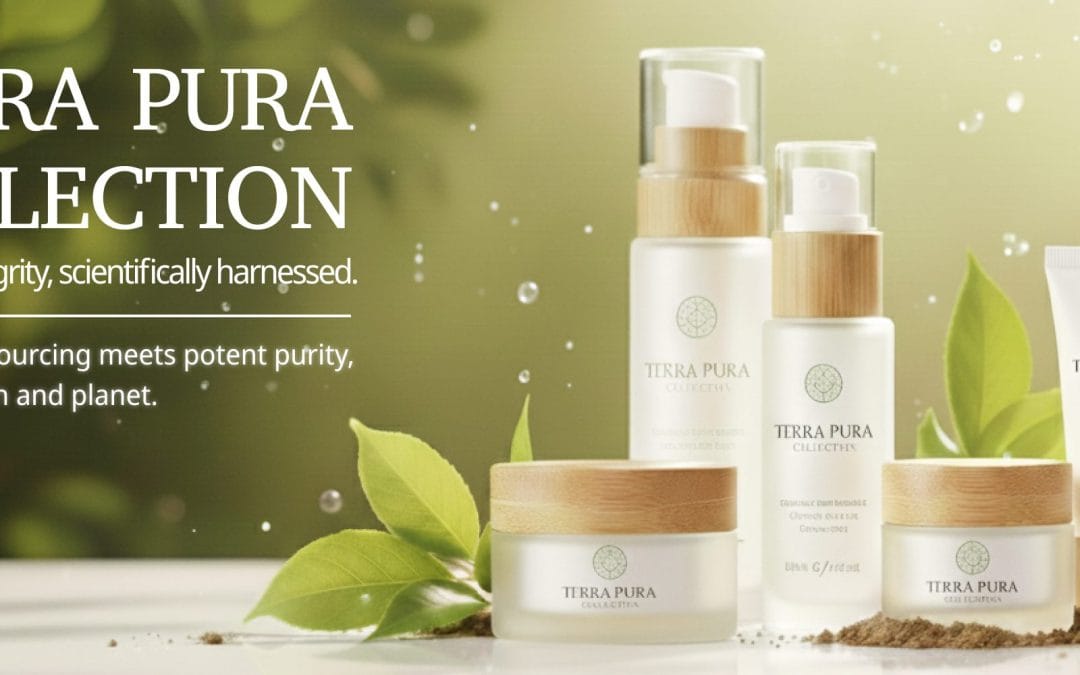
A complete skincare routine can look convincing in a brand presentation, but every additional SKU adds decisions: a formula, a package, an inventory commitment and a message that customers must understand. For a new brand, one well-defined hero product can provide a clearer first test.
The purpose is not to stay small indefinitely. It is to learn which product deserves further investment before committing to a broader range.
Choose a role in the customer’s routine
A hero product needs a specific reason to be used. Define the audience, the usage occasion and the cosmetic benefit it is intended to deliver. Ask what it replaces, complements or simplifies in the customer’s current routine.
A product selected only because an ingredient is popular can be difficult to explain when the trend changes. A clear user problem provides a more durable basis for positioning.
Use a decision scorecard
Compare candidate ideas using the same questions: how clearly can the benefit be explained, how often would the target customer use it, how feasible is the intended package, and how much evidence do you have of demand? Include your ability to reach the audience through an actual sales channel.
Scorecards are discussion tools rather than scientific predictions. Their value is in exposing assumptions. A concept with strong social attention but no affordable route to the customer may be less suitable than a quieter idea supported by an existing clinic or retail relationship.
Design the first batch as a learning cycle
- Set the offer: one product, a clear pack size, price position and primary message.
- Prepare the experience: product instructions, package information and customer support.
- Track the source: record which channel or sample program introduced each customer.
- Collect structured feedback: ask about texture, use, dispensing, expectations and reasons to reorder.
- Review before expanding: compare customer feedback with sales and stock movement.
Decide how many units are allocated to sale, demonstration or sampling. An apparent lack of sell-through means something different if much of the batch was intentionally reserved for evaluation.
Define expansion triggers in advance
A second SKU should solve a clear adjacent need. Evidence might include repeat requests for a complementary product, consistent satisfaction with the first product and a channel capable of carrying the expanded range. Avoid launching a new formula simply to refresh social content.
When feedback is mixed, change one meaningful variable at a time where practical. Revising the formula, packaging and positioning together makes it harder to understand what improved the result.
Does a small MOQ remove launch risk?
No. It can reduce the inventory commitment, but development, preparation and customer acquisition still need a budget. Galanovix offers MOQ from 500 units for eligible serum and cream projects. Final feasibility depends on the chosen specification and packaging.
Build a focused first product
Explore our skincare collection for format directions, then request a project discussion. Share your intended customer, first sales channel, target quantity and what you want to learn from the launch. Our data-led approach helps turn those inputs into a more focused development brief.
Related guide: 500 MOQ skincare manufacturing: plan your first launch.