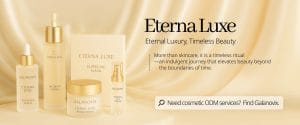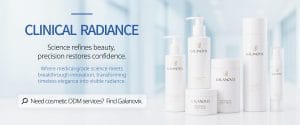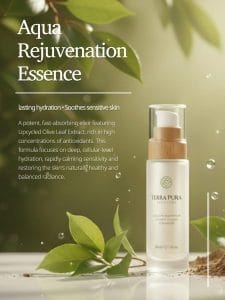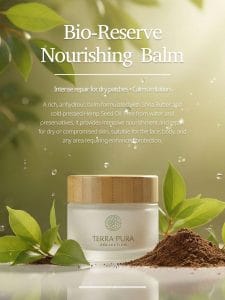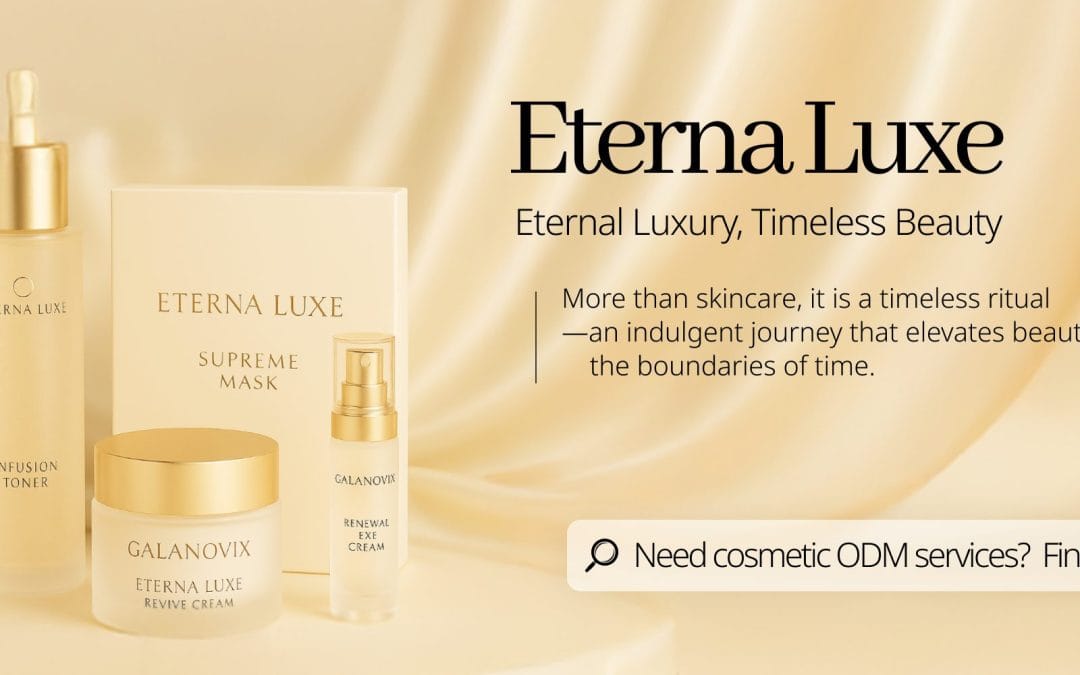
A premium skincare experience begins before the formula touches the skin. The customer reads the label, opens the closure, dispenses a dose and decides how the product fits into a routine. Each moment can reinforce the product's promise or create friction.
For a new beauty brand, premium positioning is best treated as a design hypothesis to test with the intended audience. A heavier jar, stronger fragrance or longer ingredient story does not automatically create more value.
Define what premium means for your customer
Different audiences value different details. One may appreciate a quiet visual identity and a light finish. Another may prefer a richer evening ritual. Describe the experience in practical terms before selecting decoration or requesting formula samples.
Create a short experience statement, such as “a daily moisturizer that dispenses cleanly, spreads easily and leaves a soft finish.” It gives the packaging designer and development team a shared reference. It is a proposed direction, not a finished-product claim.
Evaluate texture as a sequence
Record more than first impressions. Compare what happens during dispensing, spreading and after the sample settles. Use the same application amount and conditions when comparing candidates.
- Dispensing: Does the package deliver a manageable amount?
- Spread: Is application smooth and easy to control?
- Finish: Does the after-feel match the intended ritual?
- Layering: Does it behave as expected with the surrounding routine?
Keep sensory observations separate from efficacy findings. A pleasing texture can support customer enjoyment, but it is not evidence for a physiological benefit or a long-duration performance claim.
Spend attention on the details people handle
Check how the closure opens, whether the pump feels predictable and whether the label remains readable on the actual container. Review a filled sample rather than judging every decision from a flat artwork file.
Ask about packaging compatibility, dispensing consistency and the planned quality checks. An attractive package must work with the formula. Decorative choices should be assessed against the project budget, supplier minimums and lead times.
Make the label easy to understand
Build a clear hierarchy: brand, product name, main purpose and practical instructions. Use enough contrast and readable type. Keep optional storytelling from competing with information that customers need to use the product.
A restrained design can still communicate warmth and character. Instead of adding several competing claims to the front, decide which supported benefit deserves priority and move secondary explanations to an appropriate panel or product page.
Test perceived value before adding complexity
Show concept alternatives to people who resemble your intended customer. Ask what they believe the product does, which details feel useful and what seems unnecessary. Collect individual responses before a group discussion so that one confident opinion does not dominate the exercise.
Compare those observations with the commercial plan. A more expensive component is only a useful investment if it serves the product, the audience and a workable budget. Avoid assuming that premium presentation guarantees a higher selling price or repeat purchase.
Build a first run around a coherent experience
Galanovix's market interpretation and ODM services can help connect positioning, formula direction and packaging. Its advertised 500-piece starting option applies to serum and cream projects; confirm the package minimums and customization scope before committing to the concept.
Use the packaging MOQ guide to prepare your questions. Then send your product inquiry with a visual reference, preferred texture, quantity and target unit budget.
Frequently asked questions
Does premium skincare need custom-molded packaging?
Not necessarily. Evaluate available packaging against your desired experience. Confirm decoration, compatibility and supplier conditions rather than assuming a custom mold is required.
Can we assess luxury feel from a digital mockup?
A mockup helps with visual direction. Physical samples are needed to assess handling, dispensing, finish and the way the package works with the formula.