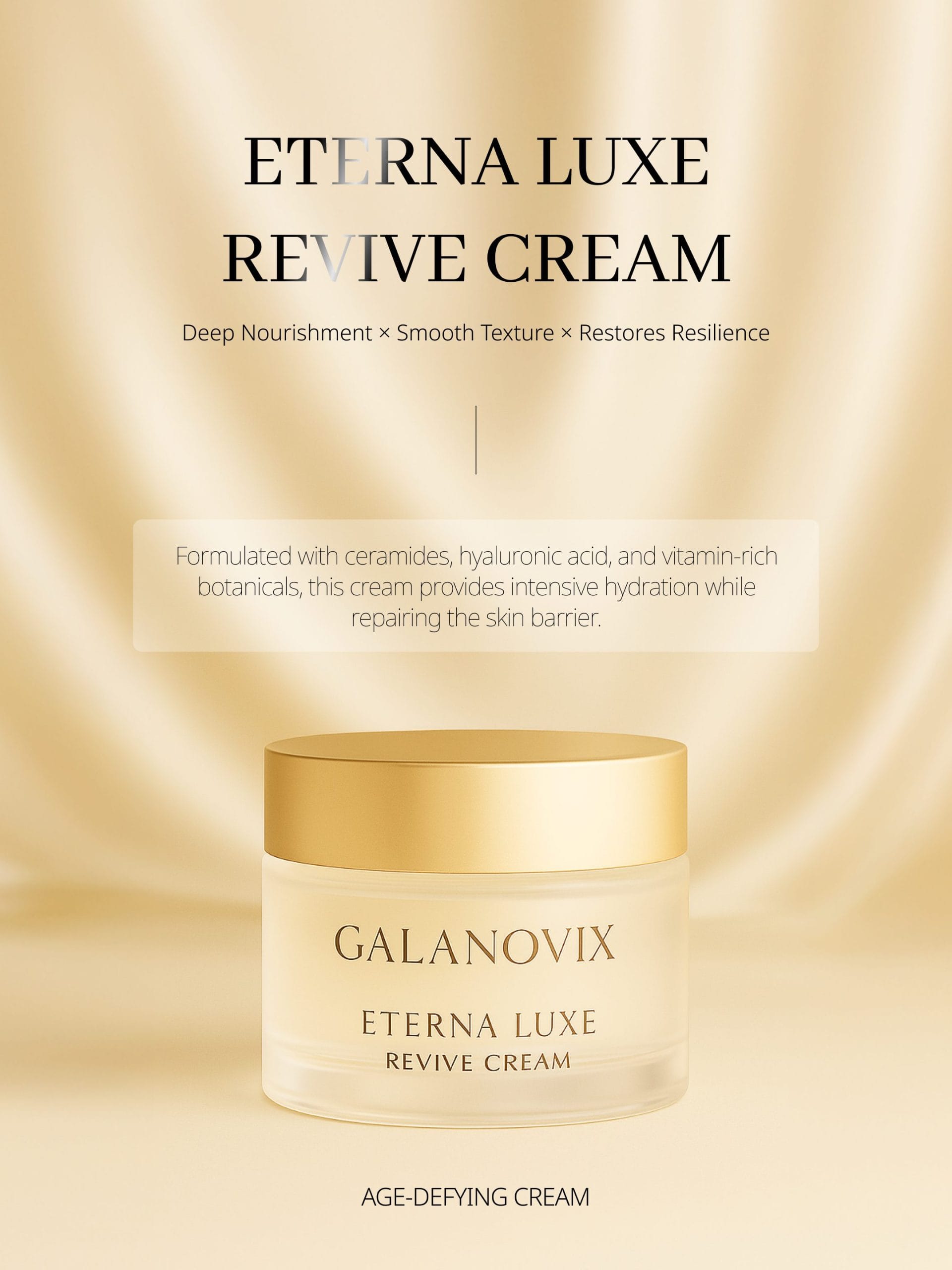
A face cream is judged through repeated use: how it spreads, how it feels later, how it fits a routine and how easy the package is to use. A successful development brief should describe those expectations clearly enough for samples to be evaluated against them.
Before choosing ingredients, identify the audience and the position the product should occupy in their routine.
Start with the usage context
Specify whether the cream is intended as a daily moisturizer, a richer evening product or another clearly defined cosmetic concept. Describe the customer’s preferences and environment without assuming that every person in a country or climate wants the same texture.
Customer interviews and product reviews can reveal useful tensions. Some people want a comforting texture while disliking residue; others value a light feel but expect a noticeable sense of nourishment. These are questions for formulation and sample evaluation.
Make texture language specific
“Rich” and “light” can mean different things to different reviewers. Discuss spreadability, cushion, absorption, after-feel, visible finish and scent preferences separately. Use references to communicate a sensory direction, not as a request to copy another brand’s product.
Choose a primary benefit and keep the proposed claims aligned with the evidence available for the finished product. Avoid treating ingredient popularity as proof of product performance.
Select packaging as part of the formula discussion
Jars, tubes and pumps offer different dispensing experiences and may involve different packaging minimums. Evaluate the intended formula with the selected package and agree the relevant compatibility and performance checks.
Include fill size, closure, decoration and carton requirements in the quotation request. A 500-unit formula discussion does not automatically mean every customized package is available at 500 units.
Review samples consistently
- Use the same evaluation questions for every sample version.
- Record the amount used and the surrounding routine.
- Separate immediate sensory feedback from observations made after use.
- Test the package as well as the cream.
- Agree a consolidated revision list with clear priorities.
A written review is more useful than “make it more premium.” For example, asking for less tack after spreading while retaining a cushioned feel gives the development team a more specific problem to address.
Prepare the first launch and the reorder
Plan how customer feedback will be collected after launch. Record questions about feel, usage, dispensing and expectations alongside sell-through and reorder interest. A change in positioning may be more appropriate than a formula revision when the product is reaching the wrong audience.
Before reordering, confirm the approved formula version, package components and any proposed substitutions. Keep retained references and approved artwork organized according to the arrangements made with the manufacturer.
Discuss a small-batch cream project
Galanovix offers MOQ from 500 units for eligible cream projects, subject to formula and packaging review. Our data-led development approach helps connect customer insight with product choices. Browse the collection and submit an inquiry with your preferred texture, cosmetic benefits, market, quantity and target budget.
Related guide: 500 MOQ skincare manufacturing: plan your first launch.